
Emergencies can unfold in seconds, often when least expected. A person may suddenly collapse, stop breathing, or become unresponsive due to a medical crisis. In those critical moments, waiting passively for professional help can cost valuable time. CPR training equips ordinary individuals with the knowledge and practical ability to act immediately. Through structured first aid and CPR courses, people learn how to provide life-supporting care that can stabilise someone until paramedics arrive.
Understanding What Happens During A Medical Crisis?
One of the first ways CPR training prepares you is by explaining what occurs inside the body during a life-threatening event. When the heart stops pumping effectively, oxygen no longer reaches vital organs, especially the brain. Without quick intervention, serious damage can occur within minutes.
Participants in CPR training programs gain insight into how circulation and breathing work together to sustain life. This understanding helps remove the fear of the unknown. Instead of seeing an emergency as chaotic and confusing, trained individuals recognise what is happening and why their actions matter.
Learning Clear, Step-By-Step Emergency Response
Panic is a common reaction during crises. CPR courses replace panic with a structured plan. Trainees learn a sequence of steps, from checking responsiveness to calling for help and starting compressions.
A first aid course residents attend often integrates CPR into broader emergency response training. This means learners practice assessing the scene, ensuring safety, and making quick decisions. Following a practised routine helps keep the mind focused and prevents hesitation when seconds are crucial.
Building Hands-On Skills Through Practice
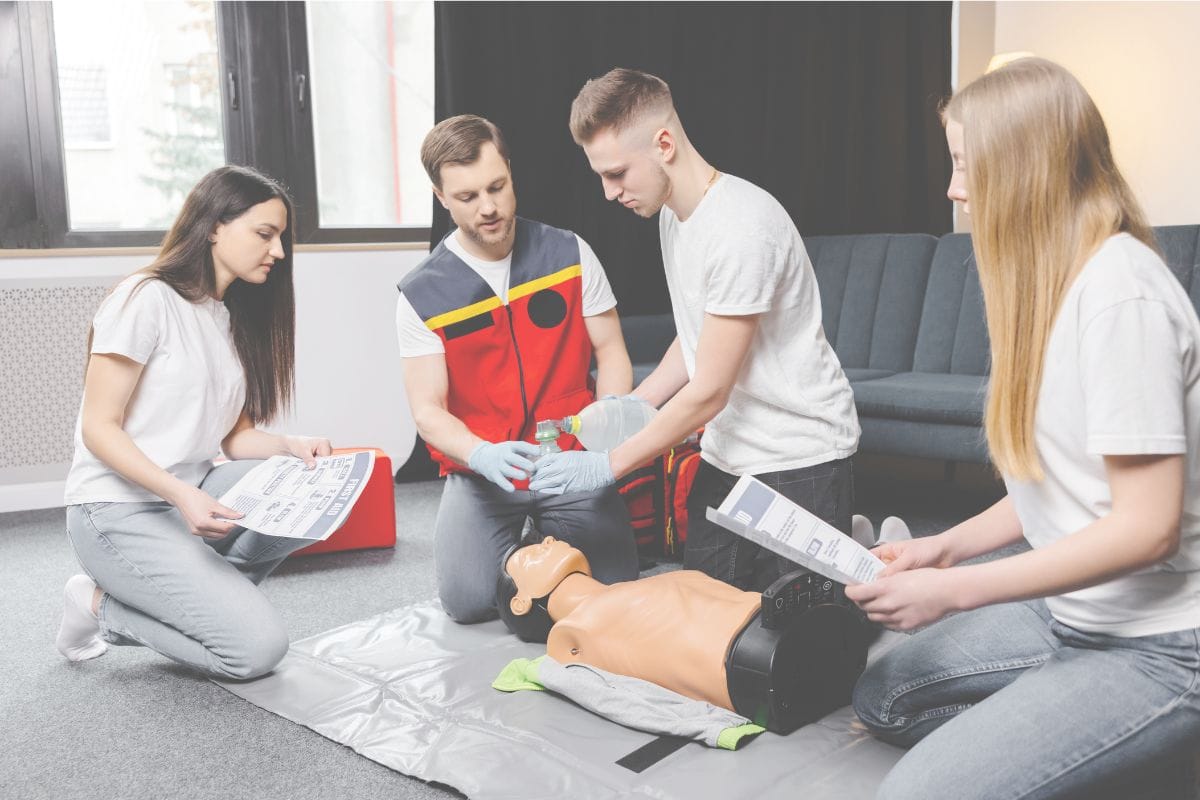
Watching a demonstration is not enough when lives are at stake. CPR training includes repeated hands-on practice using manikins that simulate real scenarios. Participants feel the correct depth and rhythm of chest compressions and practice rescue breathing techniques.
Through first aid and CPR courses, muscle memory begins to develop. In an actual emergency, this physical familiarity makes actions more automatic. Instead of the second-guessing technique, trained individuals can respond with greater confidence and accuracy.
Preparing For A Variety Of Emergency Settings
Life-threatening incidents can happen anywhere, in homes, workplaces, gyms, schools, or public spaces. CPR training prepares you to adapt to different environments and circumstances.
In CPR training Perth sessions, learners discuss real-world scenarios and challenges, such as helping in crowded areas or managing bystanders. Understanding how to respond in varied settings ensures that skills are not limited to ideal conditions but remain useful wherever an emergency occurs.
Reducing Response Time Before Help Arrives
Professional responders are essential, but they cannot always arrive instantly. The gap between an incident and its arrival is where trained bystanders make a crucial difference. Early CPR keeps blood flowing to the brain and other organs, improving the chances of survival.
A first aid course Perth learners complete emphasises the importance of immediate action. Knowing that even basic interventions can support life encourages people to step forward instead of waiting helplessly.
Strengthening Mental Resilience
Life-threatening emergencies are emotionally intense. CPR training does more than teach techniques; it prepares the mind. Simulated practice and guided instruction help individuals experience pressure in a controlled environment.
Participants in first aid & CPR courses often report feeling more mentally prepared for unexpected situations. They learn to manage stress, focus on tasks, and communicate clearly, all of which are vital during real emergencies.
Encouraging Ongoing Skill Development
CPR is not a one-time lesson. Skills improve with refreshers and continued learning. Many people who start with CPR training programs choose to expand their knowledge through additional first aid education.
Regular practice reinforces techniques and keeps knowledge current. This commitment ensures that readiness does not fade over time but becomes a lasting ability.
Turning Bystanders Into Lifesavers
Perhaps the most powerful impact of CPR training is the transformation of ordinary people into capable responders. Instead of feeling powerless, trained individuals understand they have the tools to help.
A first aid course that includes CPR opens the door to meaningful action during life-threatening emergencies. With preparation, practice, and awareness, anyone can be the person who steps in when it matters most.
